
* SERG PhD Opportunity [OPEN 2024] *
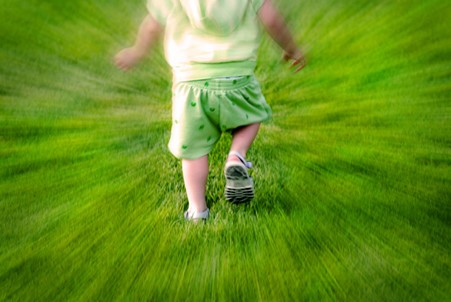
Childhood gait, the unique way in which children walk, run, or move, is a fascinating aspect of human development. From the early stages of crawling to the confident strides of adolescence, a child’s gait undergoes significant changes, influenced by various factors such as age, motor skill development, biomechanics, and individual differences. Understanding childhood gait not only sheds light on the intricate process of human locomotion but also plays a crucial role in identifying and addressing potential developmental issues and disorders.
During infancy, a child’s gait begins with crawling, a fundamental locomotor skill that facilitates exploration and interaction with the environment. As infants gain strength and coordination, they progress to walking, typically between the ages of 9 and 18 months. Initially, their steps are unsteady and characterized by a wide base of support and high cadence as they learn to balance and coordinate their movements. As toddlers refine their motor skills, their gait becomes more stable and efficient, marked by smoother transitions and increased stride length.
Throughout childhood, gait continues to evolve in response to physical growth, neuromuscular maturation, and environmental influences. As children refine their balance and coordination, they develop a more upright posture and a reciprocal pattern of limb movement, characterised by synchronised arm and leg swings. By the age of 7 or 8, most children exhibit a mature walking pattern, with well-coordinated movements and efficient energy expenditure.
However, it’s essential to recognise that variations in childhood gait are not uncommon and may reflect underlying developmental issues or musculoskeletal abnormalities. For instance, toe walking, a gait pattern characterised by walking on the toes rather than the whole foot, can indicate tightness in the calf muscles or neurological conditions such as cerebral palsy. Conversely, flat-footedness or excessive pronation may result from structural abnormalities in the feet or lower limbs, potentially affecting balance and stability.
Early detection and intervention are crucial in addressing such issues and promoting healthy gait development. Pediatricians and orthopedic specialists often conduct gait assessments to evaluate a child’s walking pattern, identify any deviations or abnormalities, and recommend appropriate interventions. These may include physical therapy to improve muscle strength and flexibility, orthotic devices to support proper foot alignment, or surgical procedures to correct structural abnormalities.
Moreover, understanding the biomechanics of childhood gait can inform preventive measures and interventions to mitigate the risk of musculoskeletal injuries or conditions. For example, promoting physical activity and proper footwear can enhance muscle strength, joint stability, and proprioception, reducing the likelihood of falls or overuse injuries. Additionally, ergonomic adjustments in school environments, such as ergonomic furniture and ergonomic backpacks, can alleviate stress on the spine and lower limbs, promoting healthy posture and gait.
Interested in applying?
We have an exciting PhD position fully funded through the graduate teaching assistant (GTA) postgraduate scheme to explore the utility and validity of wearable technology to examine the developmental phases driving gait maturation. GTA is a three-year postgraduate program that combines doctoral study with Higher Education teaching training.
If you’re passionate about unravelling the mysteries of childhood gait and eager to make a meaningful impact in biomechanics and pediatric healthcare, we invite you to join our research team.
The successful candidates will develop a robust academic profile spanning multiple disciplines, including sports engineering, biomechanics and motor control, alongside developing soft skills to work with vulnerable participants. In addition to coding, signal processing, and `big data` management for paediatric gait analysis in real-world environments, the candidate will foster collaboration with the Gait Lab from the Children’s Hospital to support clinical practice by enhancing the accuracy of screening and early intervention strategies that can prevent the progression of deformities and ensure timely referral for adequate treatment.
We encourage applications from candidates with a background in biomechanics of human movement, engineering, or related fields. Coding experience in programming languages such as MATLAB is desirable, but not essential.
For further details on the research project, the scholarship and details of how to apply please follow this link or contact the lead supervisor – Dr Gabriella Penitente.
To apply for the GTA scholarship, you will need to complete and submit an application form here along with a detailed 1,500-word research proposal addressing the project title.
The closing date for applications is Wednesday 15th May 2024 at 12:00 GMT.
 Engineering Sport
[…] Validation and utility of wearable sensors to assess locomotion in early childhood. […]
LikeLike