
by Charlotte Benkowtiz
Parkrun, a worldwide community-based physical activity initiative, offers free, weekly, 5-kilometer runs in parks across the globe. Held every Saturday morning, parkrun brings together people of all ages and abilities, fostering physical activity and social connection. Parkrun participation includes running or walking the 5k, and volunteering, as the local events are organised by volunteers.
Since its creation in 2015, the parkrun research board has been based in the Advanced Wellbeing Research Centre at Sheffield Hallam University. As part of this, several health and wellbeing surveys have been conducted in the parkrun population by the University, with the latest iterations in the UK having just closed, and one in the Republic of Ireland being in the planning for early 2025.
The survey content has changed a little over the years, but the surveys have always asked about reasons participants have for initially running, walking or volunteering at parkrun, the impact they perceive on their health and wellbeing due to running, walking or volunteering at parkrun and general questions on participants health and wellbeing, to allow comparisons of the parkrun population to the general population.
The First Large-Scale Surveys: UK and Ireland in 2018
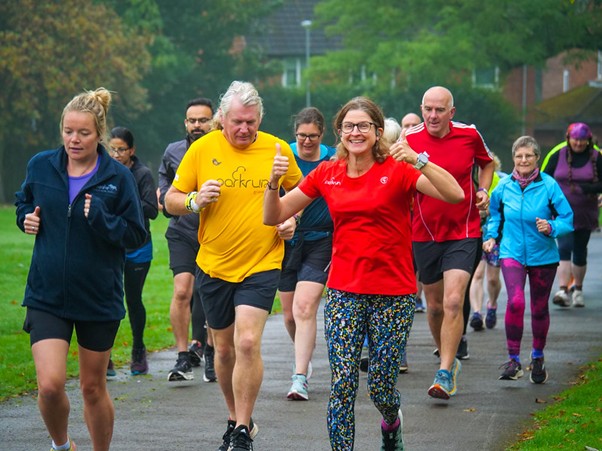
In 2018, parkrun commissioned Sheffield Hallam University to conduct the first extensive health and wellbeing surveys of its participants. This survey captured responses from approximately 60,000 participants in the UK and 4,000 in Ireland.
Some of the publications from the surveys have shed light on:
- Motives and Impact of participation in parkrun: The most chosen motives for running/walking at parkrun were to contribute to my fitness and to improve my physical health. Running/walking at parkrun was reported by around 90% to improve their sense of personal achievement and their physical health. Individuals who were inactive at parkrun registration and from deprived communities were more likely to run or walk at parkrun to improve their physical health rather than their fitness or to compete. Compared to the overall sample, those inactive at registration and from more deprived areas were more likely to report improvements to their fitness, physical health, happiness and mental health due to running/walking at parkrun.
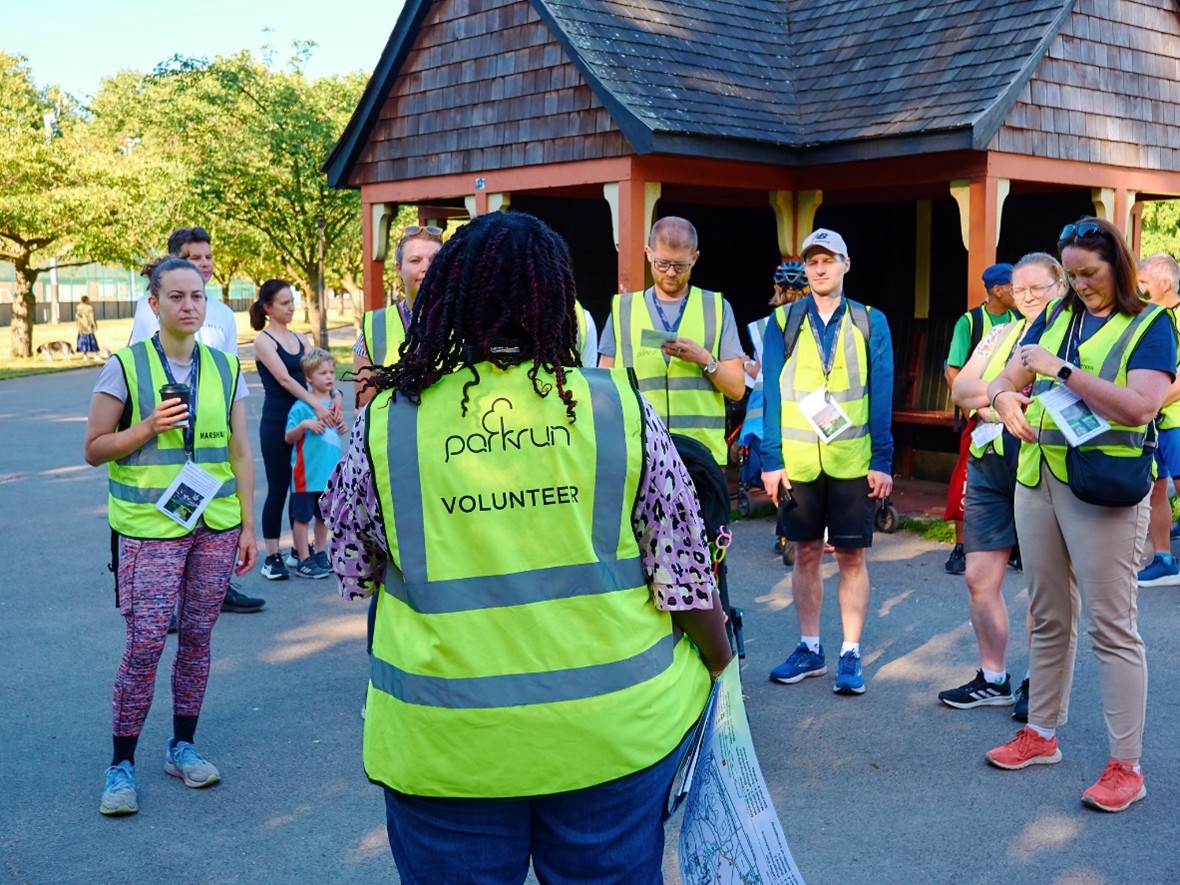
- The health benefits of volunteering: Beyond running or walking the 5k, volunteering is a key contributor to enhanced happiness and life satisfaction through parkrun. While few participants reported wanting to improve their mental and physical health through volunteering as a motive, participants commonly reported a positive impact on their mental and physical health through volunteering. Engaging as a volunteer also helped participants feel a greater sense of being part of the community and improved their ability to meet new people.
- Provide insights for Clinicians: The data from the UK health and wellbeing survey has also shown that there are parkrun participants that have long-term health conditions. The analysis revealed variations in participants’ motivations are based on their finishing times and health conditions, but perceived improvements to wellbeing were similar for all parkrunners. This publication highlights the benefits of parkrun, regardless of running time and points towards parkrun being an option for social prescribing.
- The metal wellbeing impact of parkrun: Analysis of the survey also showed the positive impacts of parkrun for those with a mental health condition. Their mental health scores were close to the normal range, suggesting that parkrun participation might limit the impact of their conditions.
Global Adaptations: The Australian Study
Building on the success of the UK survey, a similar initiative was undertaken in Australia as part of a PhD research project. The survey was streamlined to reduce participant burden and improve response rates while maintaining the focus on health and wellbeing, leading to roughly 35,000 responses.
Current surveys: UK and Ireland Survey, 2024–2025
Data for a new health and wellbeing survey in the UK was collected in October 2024, with Ireland set to follow in early 2025. Using the findings from these new surveys the aims are to:
- Generate New Insights: By comparing current data with the 2018 survey, researchers can identify trends and changes in the parkrun population’s health and wellbeing.
- Cross-Country Comparisons: The survey will provide comparative insights between Australia, the UK and Ireland, offering a broader understanding of parkrun’s impact with potential country differences.
- Improving data analysis: The survey responses are linked to participants’ parkrun data, adding objectivity to the findings. Weighting the sample to reflect the population, the analysis accounts for potential
response biases. While both these analysis elements have been used in previous surveys, their methods have been improved based on what was learned from previous surveys.
Why It Matters: Parkrun’s Contribution to Public Health
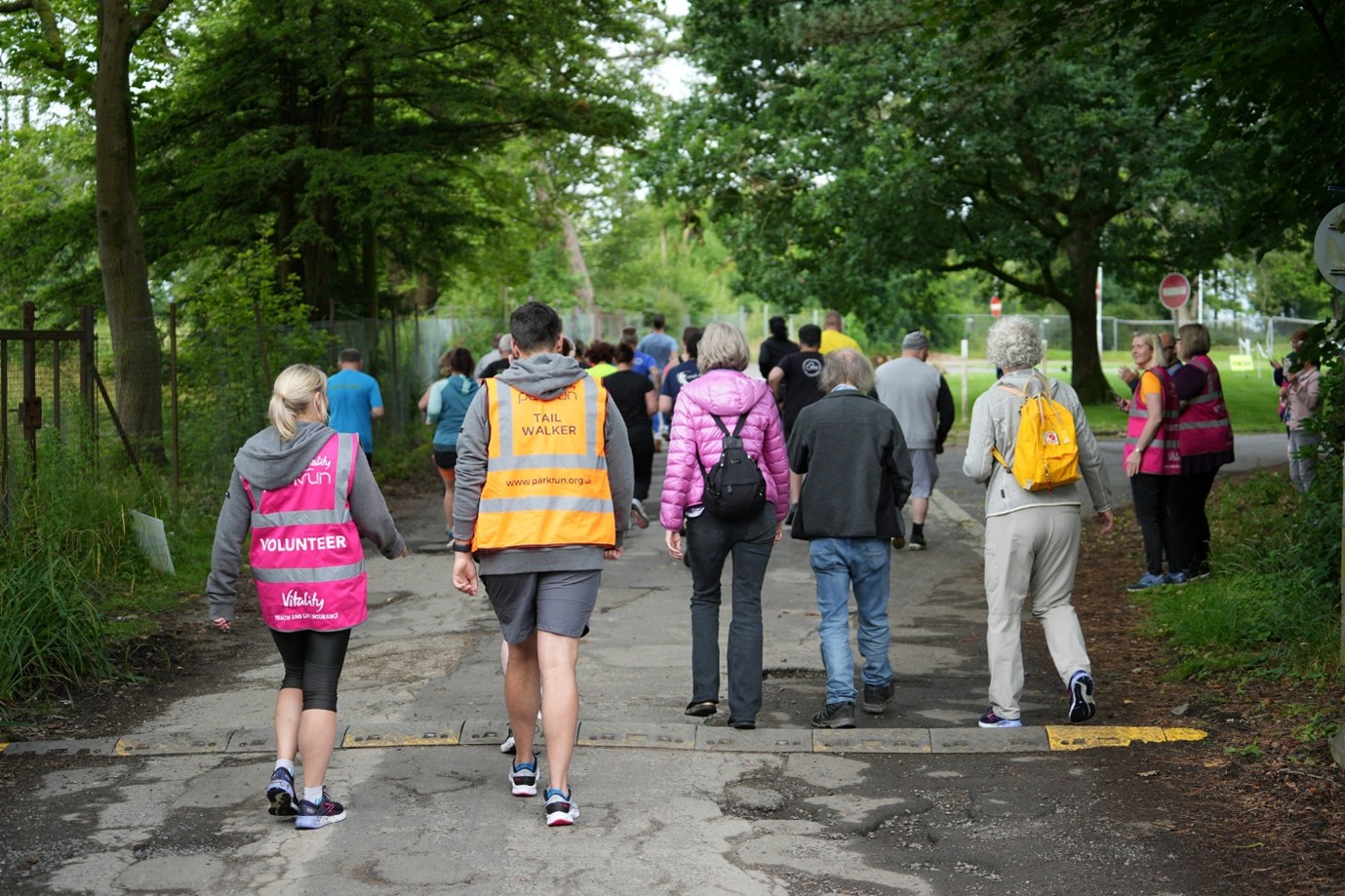
The health and wellbeing surveys reveal parkrun’s impact on individuals and communities. Its accessibility encourages people from all walks of life to participate, making it a cost-effective and scalable intervention for public health. Research has shown that parkrun is more than a 5-kilometer run; it’s a movement that transforms lives. Parkrun’s collaboration with institutions like Sheffield Hallam University highlights its impact on health and wellbeing. Upcoming 2024–2025 surveys promise new insights to shape innovative public health solutions.
To learn more about our research at the of the Sports Engineering Research Group (SERG) at SHU, please head to either Dr Charlotte Benkowitz’s SHU website profile, or our website. You can also follow us through our social media channels, available at the top right of this page or through our linktr.
 Engineering Sport