
Composite materials in the pole-vault: In third spot, we have the pole vault. The men’s pole vault was one of the first athletic disciplines to feature in the Olympics. In 1896, the pole vault was won with a height of 3.20 m; in 2012 in London, the winning height was 5.97 m – an increase […]
Top 5 olympic sports that have been influenced by technology. No 4
Number 4 in our top 5 has been awarded to textile advances in swimming. This is a fairly controversial inclusion; it is often used as an example of technological doping. I.e. cheating through the use of technology. However, looking back over the history of swimming, I’m almost 100% certain that none of the swimmers […]
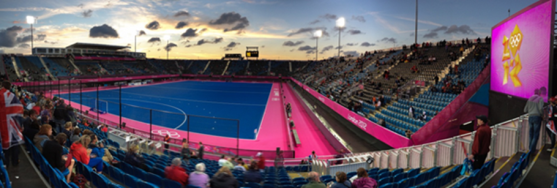
The top 5 olympic sports that have been influenced by technology: No 5.
Technology played a huge role in this summer’s Olympics; video systems to analyse boxers, touch sensitive suits in fencing and the revolution in communication due to social media systems that enabled us to feel like we are at every venue. We received a thought provoking question from our ‘Ask a sports engineer’ project: “Has any […]
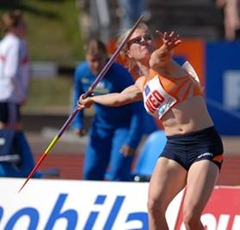
The Story of the Javelin- Bringing it Back Down to Earth
Talking about the sport of javelin throwing brings back memories of school sports days and the ‘safety’ javelins we would throw, made from what I can only describe as the grey pipe insulation you would normally find under your kitchen sink! I was lucky if I was able to project the length of grey tubing […]
How do you become a Sports Engineer?
Judging by the number of questions we’ve received lately from London, our exhibition is being well received. A lot of people are asking how to become a sports engineer, specifically which degree they should take to help them on this chosen career path. Firstly, we’re very pleased to hear so many people interesting in studying […]
Blink and you’ll miss it
Blink and you’ll miss it The next question in our Ask a sports engineer series is: Are sports getting too fast to view? With the constant pushing of boundaries by athlete’s and the wider availability of sports scientists and top coaches many sporting events are becoming more and more closely fought, by a greater number […]
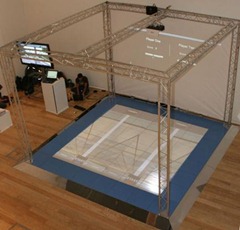
How does a smart floor work?
As sports engineers we develop lots of systems to help athletes perform better. Many of these system help by giving the athletes and their coaches more information about the way they move whilst they perform a sporting action. This includes measures such as speed, direction and many other specialised measurements for biomechanical analysis. An example […]
Gold Fever: predicting the number of medals for Team GB at London 2012. THE RESULT
Way back in April, one of our articles predicted the number of medals that Team GB would win at London 2012. It’s always tempting to quietly ignore the predictions one has made, and hope that others have forgotten but perhaps the brave thing to do would be to do a public review. So, gulp, here […]
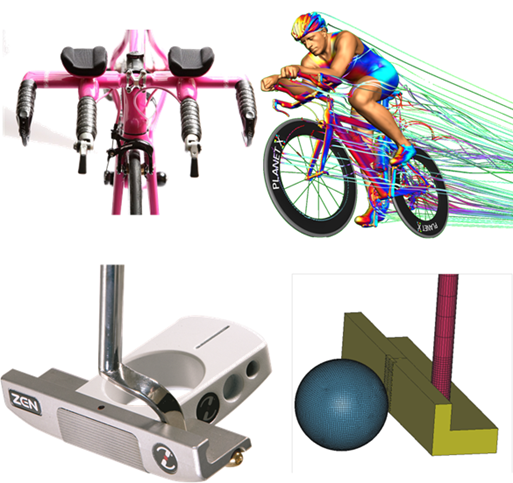
What is sports engineering?
We’ve had many questions asking us what we do as sports engineers. This article aims to describe that work we do at the Centre for Sports Engineering Research If we take apart the term sports engineering and look at the meaning of each word: 1) Sports = see Simon Choppin’s first blog article in this […]
Science Spat: Is the use of sport in technology cheating? Round 3.
It appears that in this year’s Olympics, the issue of technology in sport is as big an issue as it’s ever been. The ‘science spat’ below is the third of three letters and responses between Steve Haake and Jim Parry that originally appeared in People and Science. Read the first and second letters if you […]
 Engineering Sport