* SERG PhD Opportunity [OPEN 2024] * Childhood gait, the unique way in which children walk, run, or move, is a fascinating aspect of human development. From the early stages of crawling to the confident strides of adolescence, a child’s gait undergoes significant changes, influenced by various factors such as age, motor skill development, biomechanics, and individual […]
The wearable technology revolution to support patient outcomes.
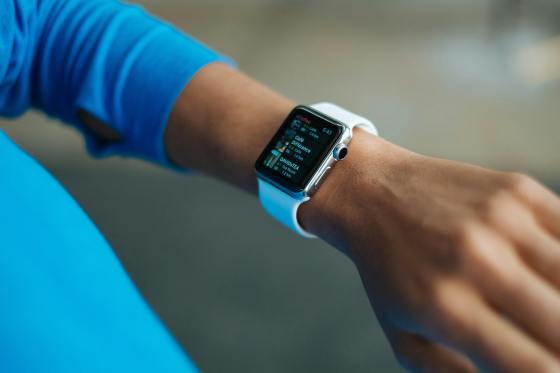
* SERG PhD Opportunity [OPEN 2024] * When we hear the words wearable technology, we may tend to think about digital watches or fitness trackers which many of us use to track our daily activities or help guide our fitness regimes. But this same technology offers great potential to support patients with long term conditions […]
IMUs and the evaluation of drop foot kinematics
Biomechanics, the application of physics principles to understand human movement, is one of the research themes of the Sports Engineering Research Group (SERG). It plays an important role in both health care and sports settings, as the learnings from biomechanics can help people move without pain, reduce injury risk, and enhance athletic performance. At SERG we benefit […]
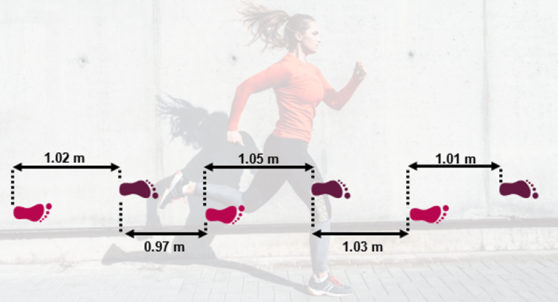
Repetition without repetition? What variability in your stride pattern may tell you about your injury risk.Â
This week saw the 19th anniversary of parkrun! On Saturday 2nd October 2004, 13 people turned up at Bushy Park in London to complete the very first parkrun. Step forward to last weekend and almost 300,000 individuals completed a parkrun or junior parkrun at almost over 2450 events worldwide, whilst being supported by more than […]
Recreating horse-riding falls – a step towards advised helmet innovations
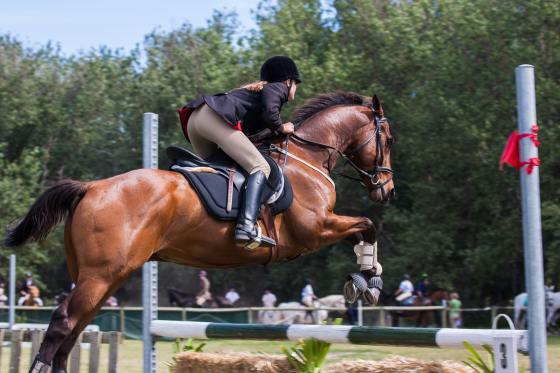
Falling from the back of a horse, understandably, hurts! The 1.5+ metre drop to the ground can cause life changing injuries for professional athletes and hobbyists alike. Such falls are especially severe in cases where riders suffer a blow to the head, causing a concussion or worse. As Sports Engineers, we can help reduce such […]
A career journey in Sports Engineering with SERG: how it started and how it’s going.
Having joined SERG as a PhD student in 2010, Dr Marcus Dunn is sadly leaving SERG to take up an exciting new post at Heriot-Watt University in Edinburgh, Scotland. Before he left, we asked Marcus to give an overview of how he has developed his career as a Sports Engineer. In his video for our […]
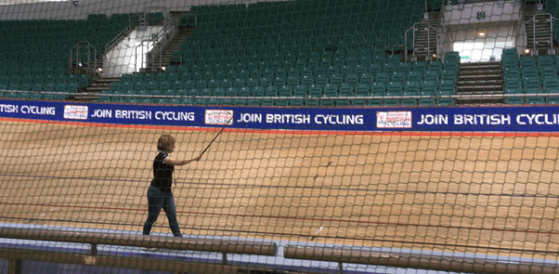
From Structural to Cycling Sports Engineering – The PhD Journey of Dr Louise Burnie.
Dr Louise Burnie completed her PhD with the Sports Engineering Research Group at Sheffield Hallam University and the Great Britain Cycling team May 2015 – March 2020, titled ‘The effects of strength training on intermuscular coordination during maximal cycling’. Since she has gone on to work as a Research Assistant at Swansea University and Senior […]
Why do the Dutch skate so fast? Speed skating: a tale of culture, courage and innovation
The speed skating events in the Olympics this weekend kicked off with a fully orange podium in the men’s 5k event. The woman’s 3k golden medal was also awarded to the Dutch. What is it with this little country that makes them so good at speed skating?
Do minimalist running shoes help prevent injury?
Continuing with our guest blog submissions, we’ve got a great new post looking at the minimalist running shoe craze. As most runners are probably aware, minimalist shoes are currently all the rage. Proponents of these shoes believe that they are beneficial for both performance and health. Opponents, on the other hand, contend that these shoes […]
How your Christmas present might revolutionise sports science
When you open your Christmas present this year it might not be obvious that you are helping a revolution in sports science. Some of the most popular presents are likely to be mobile phones, games consoles and computer games and the modern stocking filler now contains more sensory technology than an early space mission. The […]